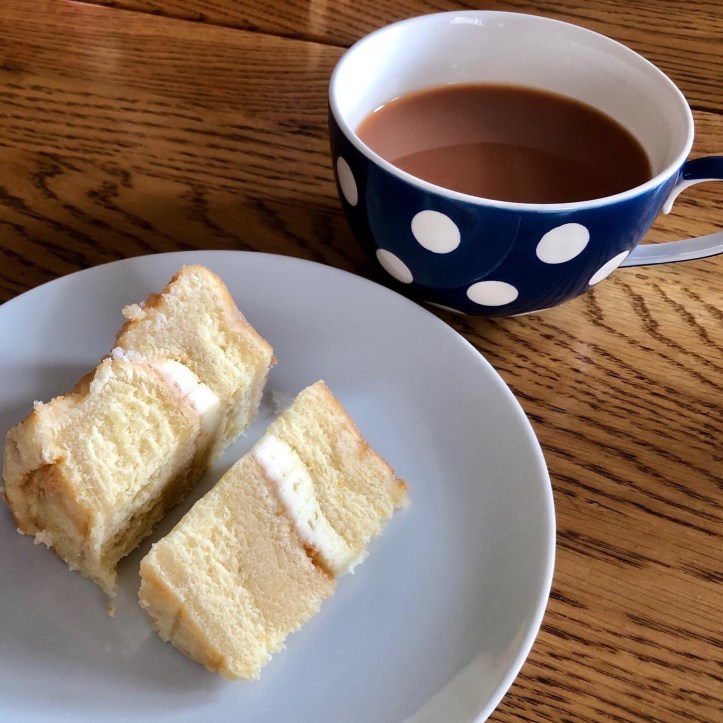
Working in an office and drinking tea (or coffee) seem to go hand-in-hand. In my office afternoon cake quite often accompanies our 3.10pm cup of tea! Today, as always, we took turns making the round of drinks; the conversation then evolved to be about tea… the next thing I was thinking what a great blog post.
So here it is tea tasters…
- Tea has half the amount of caffeine found in coffee and on average we drink four cups per day. This can be counted towards our recommended daily fluid requirements and if drunk with semi-skimmed milk can count towards a fifth of our recommended calcium intake.
- I can’t believe this but in the 18th century tea was the preferred drink over ale and gin and tonic – I like tea but give me a G&T any day!
- Afternoon tea should be served between 2pm-5pm as historically it filled the gap between luncheon (11am-12pm) and dinner (7pm-8pm). In our office, we find 3pm-4pm the longest hour and that 3.10pm is the optimum time for tea and cake to help this hour pass! And did you know tea breaks have been a tradition for over 200 years?
- Tea does have health benefits; it contains fluoride so can help prevent tooth decay and gum disease – however, I doubt this is the case if you lace your tea with sugar! And as an antioxidant, tea can help protect the body against free radicals (naturally produced toxins) as well as a potential health benefit for cardiovascular disease and cancer prevention (for scientific information on tea health click here).
- Everyone likes their tea differently personally I have ‘builders’ tea, strong with only a little milk, no sugar. But did you know only 30% of us have sugar in tea while 98% have milk? Most of us brew our tea using tea bags.
- The two t’s are the biggest industries in India; Tea and Tourism.
- No artificial colours or preservatives are added from the tea-plant to tea-cup so it’s completely natural.
- Tea is an excellent way to re-hydrate after exercise as our bodies absorb warm drinks quicker than cold ones.
- For the perfect cup of tea leave to brew for 3 minutes, remove the teabag and then add the milk to taste.
- The English language has three words for tea: cha from the 16th century, tea from the 17th century and chai from the 20th.
- Green teas have more vitamins and minerals than normal tea and help calories to burn quicker.
- Other uses for tea include: putting dried tea in the fridge helps remove odours, it’s good for cleaning windows and mirrors, a cold teabag helps soothe insect bites, sunburn, swollen and tired eyes, sprinkle on charcoal before cooking to add flavour.
Not everything about tea is good for you as there are those pesky tannins! Tannins do have antioxidant properties which means they tightly bind harmful toxins together so we won’t absorb them. However, these helpful tannins also bind together minerals and vitamins, particularly iron so we don’t absorb these either. So the best practice is to avoid drinking tea 30 minutes before and after eating a meal, or any other healthy snack. However this does not affect cake – so long live tea and cake I say!
Information credits:
United Kingdom Tea Council
Typoo tea
Healthy food guide
Thompson’s Fine Teas
 Love Fab Food
You must be logged in to post a comment.